Winter Storm Power Outage Prep | NS Electric

Anyone who has lived through a North Central West Virginia winter knows the sound before the power goes out: ice building up on the lines along a tree-lined back road, then a branch giving way under the weight. Most homeowners don't think about winter power outage preparation until the lights are already off and the furnace fan has gone quiet.
The good news is that most failures are predictable, and you can plan for them before the first hard freeze instead of during it.
Why Winter Storms Hit Home Electrical Systems Harder Than Other Storms
Summer storms tend to get the headlines, but winter weather carries its own specific risk. Snow, ice, and freezing rain caused 23 percent of all weather-related power outages across the country between 2000 and 2023, according to Climate Central’s analysis of federal outage reports, second only to severe storms overall. That is a meaningful share, and it points to something useful rather than something to worry about: winter outages follow a pattern you can prepare for, since ice-loaded branches and lines, not a single unpredictable event, usually cause them.
In a hilly, heavily wooded region like ours, where rural roads and power lines both run close to tree cover, that pattern shows up often enough that having a plan in place before winter sets in makes a real difference. We see that pattern firsthand across Monongalia and the surrounding counties, so our generator consultations start with how your specific property is exposed rather than a generic checklist.
What Winter Power Outage Preparation Actually Looks Like
Real preparation happens before the forecast turns, not after. It starts with an honest look at how your home would handle losing power for a few hours, or for a few days if a line down the road needs repair before yours gets restored. For most homeowners, that means deciding what absolutely needs to keep running, usually a furnace fan, well pump, refrigerator, and sump pump, and sizing a backup power plan around that list rather than guessing.
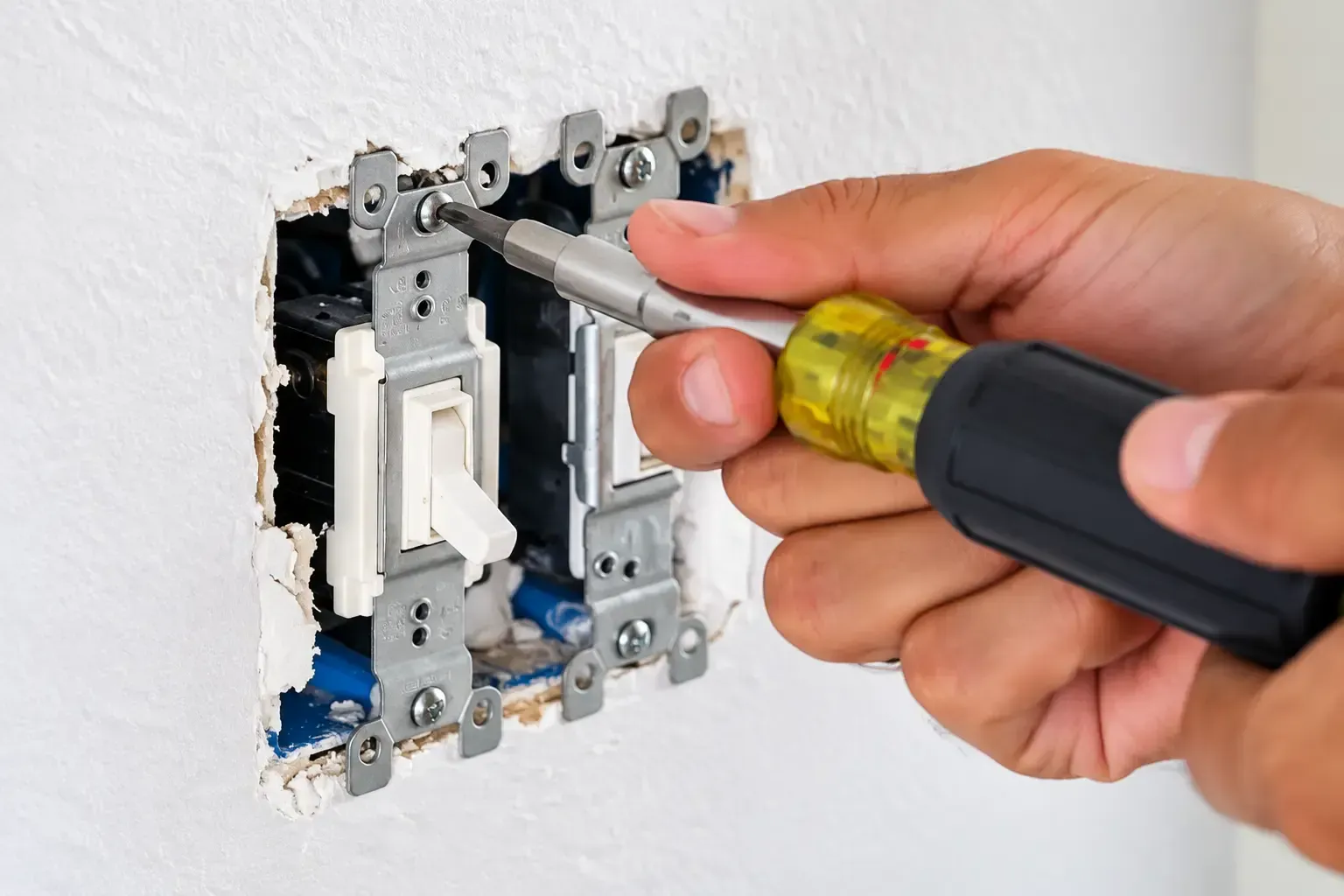
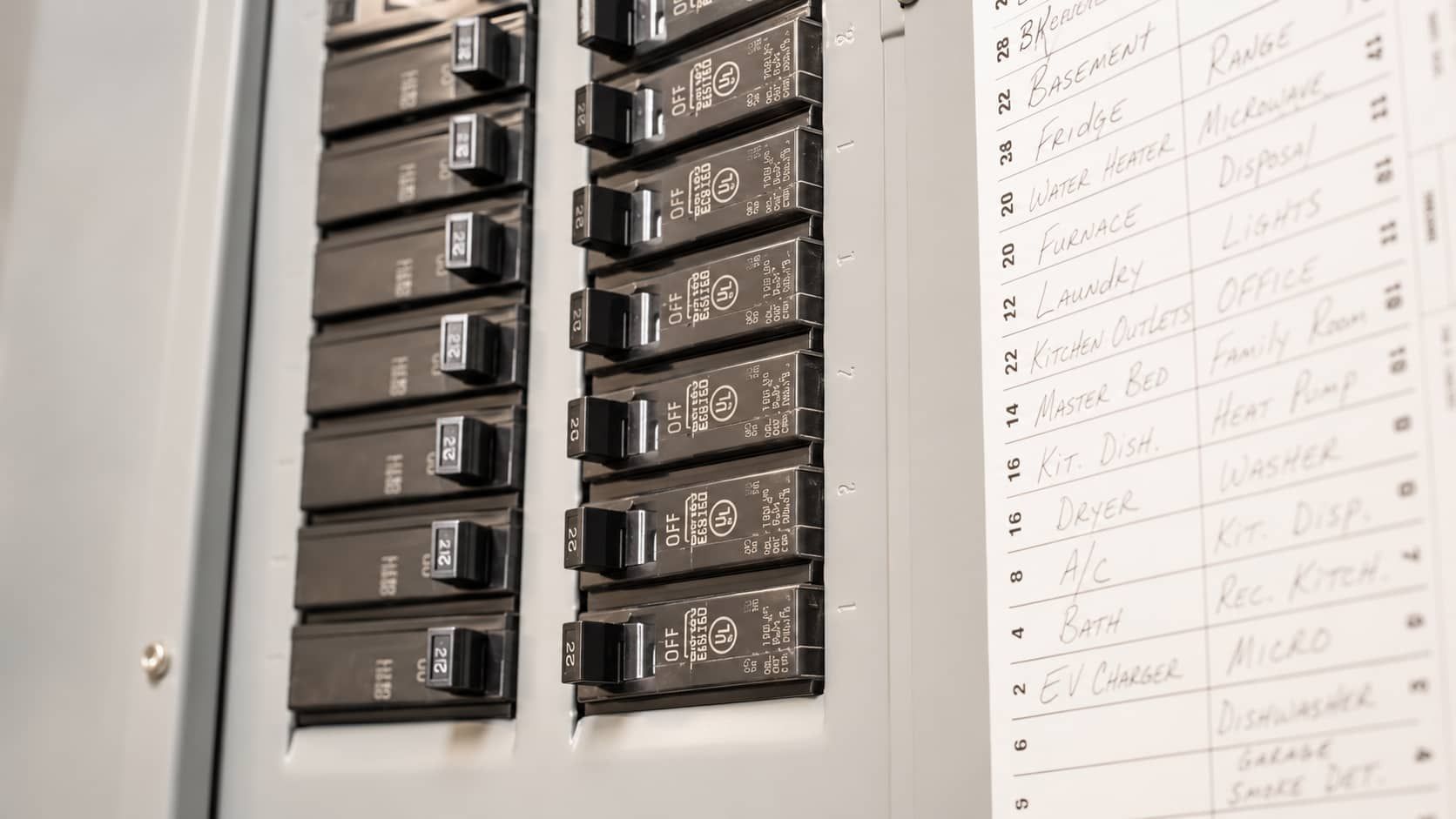
It also means getting on an electrician’s schedule in October or November rather than waiting, since the week before a forecasted ice storm is exactly when every electrician in the area is already booked solid with emergency calls instead of planned installations. A panel that hasn't been inspected in a few years is worth a look, too, since cold weather is unforgiving to a connection or breaker that's already starting to wear out. A problem that would have been a minor fix in September can turn into the reason the whole house goes dark in January.
We build that panel check into every generator consultation at no extra charge, since it rarely makes sense to size a backup system around a panel nobody has actually looked at.
Is a Standby Generator Worth It for Your Winter Power Outage Plan?
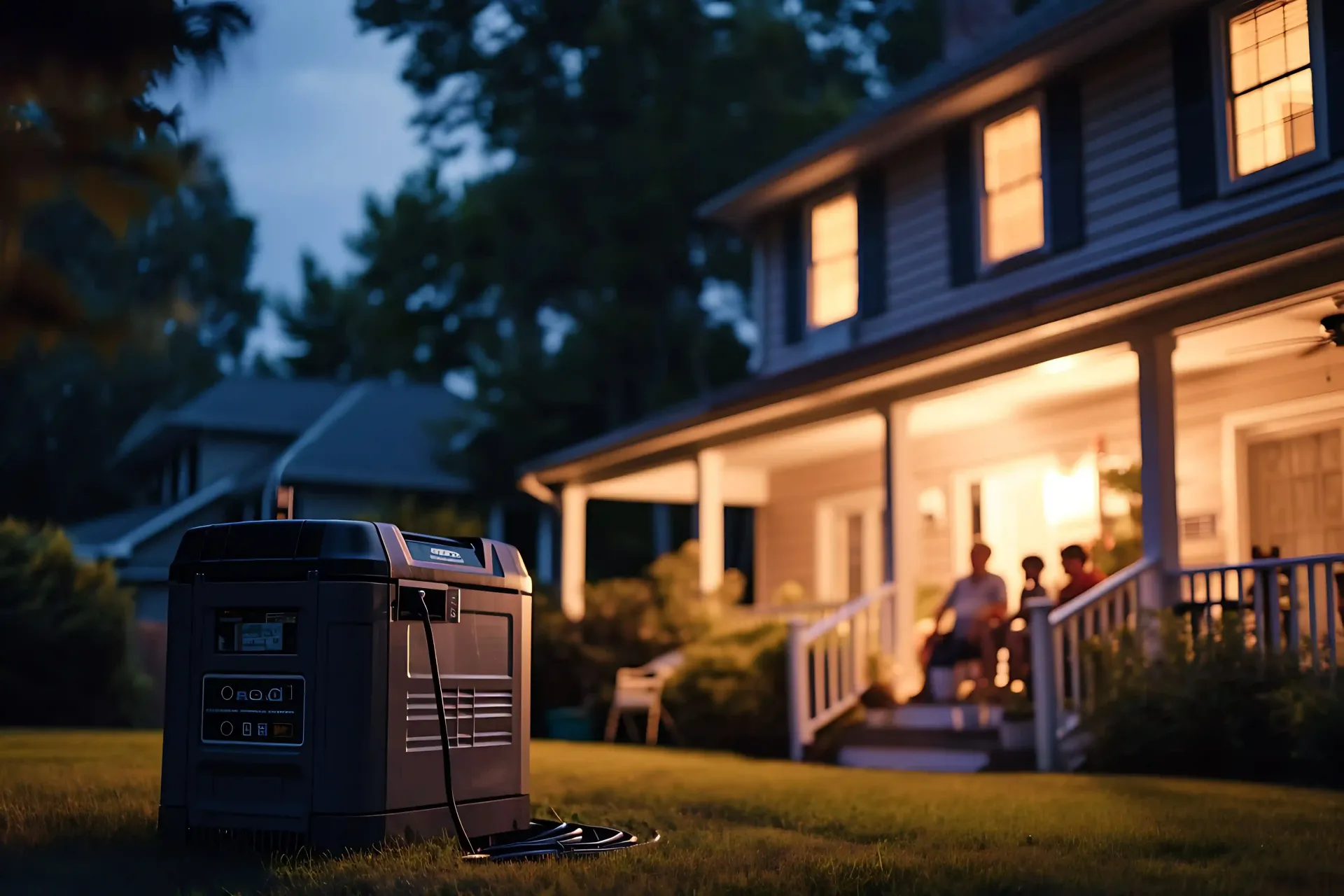
For homes that lose power more than once a winter, the honest answer is usually yes, and the type of generator matters as much as having one at all. A portable generator still needs someone to haul it out, fuel it, and run extension cords in the cold and dark, which is exactly when that is hardest to manage. An automatic standby system is different.
As an authorized dealer for Generac, Kohler, and Briggs & Stratton, we install systems with a transfer switch that senses the outage and starts the generator on its own, restoring power to the circuits you choose within seconds, with no one needing to go outside in the storm to make it happen. Sizing it correctly means accounting for your furnace, well pump, and other essential loads, which is also where connecting to your main panel or adding a subpanel often comes into the conversation, since an older panel may need extra capacity built in alongside the generator itself.
If your current electrical panel is already near its limit, that is worth addressing as one project rather than two separate ones. For reference, a typical 200-amp home usually needs about 14 to 16 kilowatts to keep the essentials running, or closer to 20 to 26 kilowatts if you want to cover the whole house. However, your actual number depends on a real load calculation, not a rule of thumb.
Our standby generator installations include the load calculation, transfer switch, and permitting, so you don't have to guess about any part of it, and every installation carries the same two-year labor warranty we apply to the rest of our electrical work.
Protecting What Is Already Running When the Power Comes Back
Outage preparation doesn't end when the lights come back on. The moment utility power is restored, or the instant your generator’s transfer switch kicks over, is one of the more common times for a voltage spike to pass through your home’s wiring, and it is often the HVAC control board or a smart thermostat that pays for it rather than anything plugged into an obvious surge strip.
Whole-house surge protection installed at the panel covers every circuit in the home, not just what happens to be plugged into a power strip, which matters most in a season when the power goes out and comes back on more than once. Pairing that protection with your generator plan means the appliances you worked to keep running during the outage are also protected the moment power returns.
Most of our whole-house surge protection installations are same-day jobs, often just a few hours at the panel, so it is easy to pair with a generator project instead of scheduling a separate appointment.
NS Electric: Keeping the Lights On Across North Central West Virginia Winters
NS Electric is a veteran-owned, family-run electrical contractor based in Morgantown, with Master Electrician Matthew Wright leading a team that has served Cheat Lake, Fairmont, Bridgeport, and Bruceton Mills since 2016. Matthew served in the U.S. Army before training as an electrician. That same discipline shows up in how we plan a generator installation: we don't connect anything until we've checked the load calculation and panel capacity.
We have served more than 1,000 customers across the region and earned more than 100 five-star reviews along the way, and a good share of that work has looked exactly like this kind of winter preparation. If a storm hits before your plan is in place, our line is answered around the clock, not just during business hours, so that we can shorten the gap between a bad night and a working generator.
We would rather spend an extra half hour at the panel in October confirming everything is sized correctly than have you find out it was not during the first real cold snap.
Ready to Stop Dreading the Next Storm?
Winter doesn't wait for a convenient weekend, and your backup power plan shouldn't either. Request a free quote, and our team will walk your property, size a generator to what you actually need to keep running, and plainly explain what the installation involves and what it costs. Having that conversation now, while the weather is calm, is what keeps the next storm from turning into a scramble.
Ready to work with NS Electric?
Let's connect! We’re here to help.
Send us a message and we’ll be in touch.
Or give us a call today at 111-222-3333
Agency Contact Form
More Marketing Tips, Tricks & Tools