Can I Charge an EV at Home With My Current Electrical Panel?

Getting an electric vehicle is exciting. Then comes the first question that doesn't appear in any of the brochures: Can my house actually support this thing?
For most Morgantown-area homeowners, that question comes down to the electrical panel. The panel determines how much power your home can draw at once, and a Level 2 EV charger draws a meaningful amount. Whether your current setup is ready or needs some work depends on a few straightforward things to assess once you know what to look for.
Many homes can support home EV charging without a full panel replacement. But the answer depends on two things: the type of charger you're installing and the current capacity of your panel. Both factors are easy to assess, and a licensed electrician can give you a clear answer in a single visit.
Understanding Level 1 vs. Level 2 EV Charging
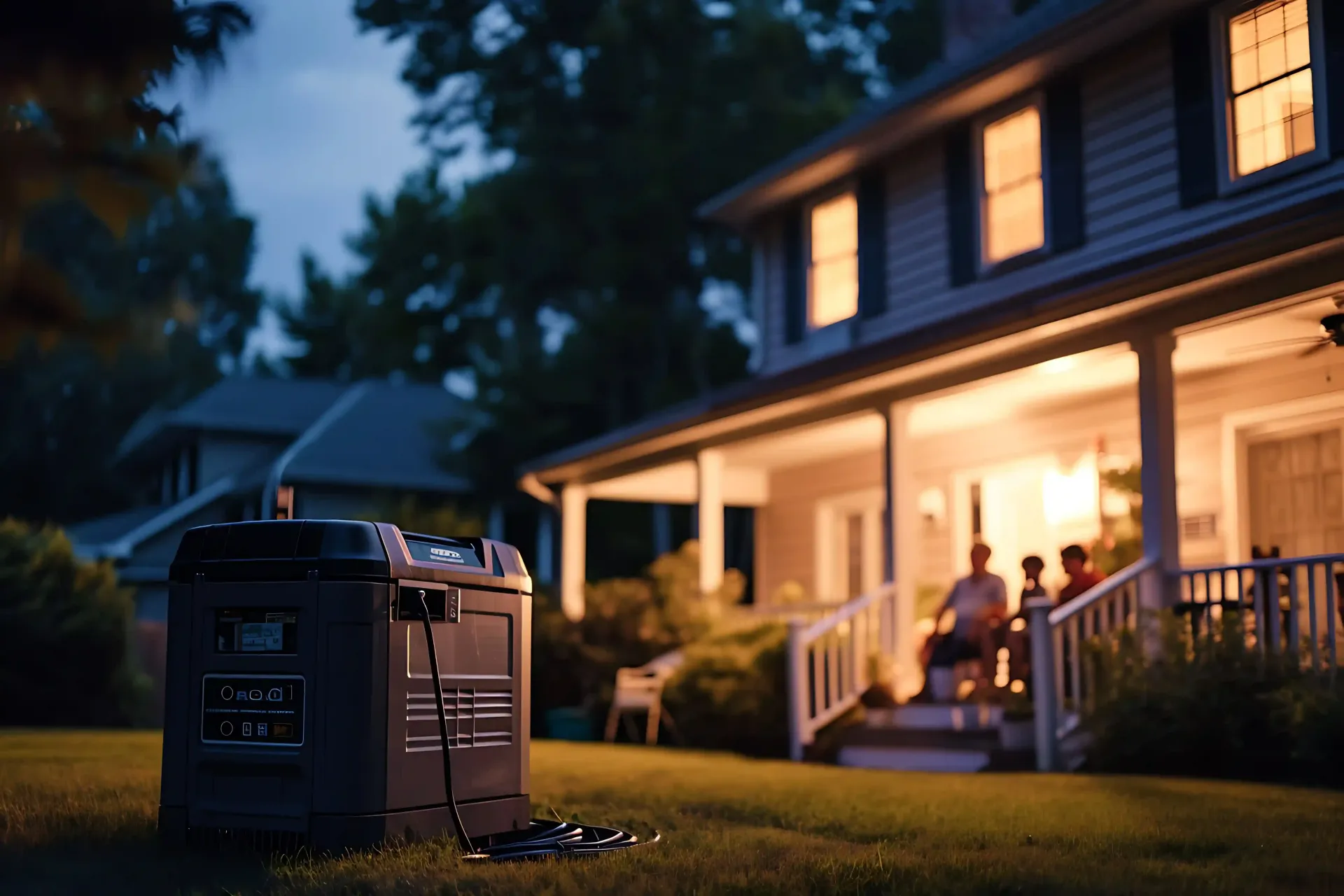
Level 1 charging is the slowest option. It plugs into a standard 120-volt outlet and adds roughly 3 to 5 miles of range per hour. For drivers with short daily commutes or a plug-in hybrid, this can be enough without any electrical work beyond having a dedicated outlet nearby.
Level 2 charging is what most homeowners want. It adds 20 to 30 miles of range per hour and fully charges most EVs overnight. It runs on a dedicated 240-volt circuit, the same voltage used by electric dryers and ranges, and that's where the panel conversation begins. A Level 2 charger typically draws 30 to 50 amps, which is a meaningful share of your panel's total capacity.
What Your Panel's Amperage Actually Means
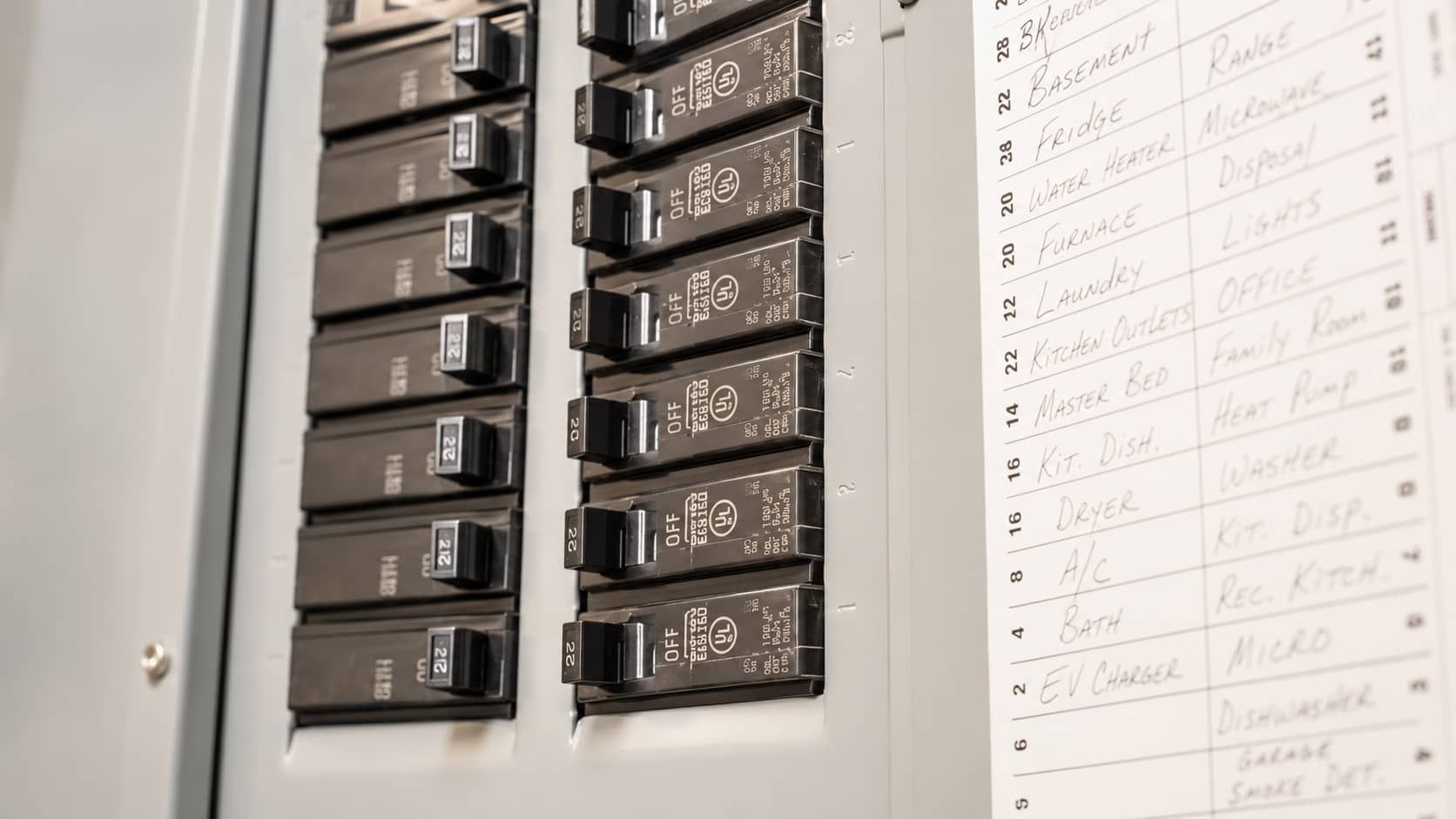
Most homes have either a 100-amp or 200-amp service panel. The number indicates how much electrical current your home can safely draw at once.
A 200-amp panel is generally well-positioned for EV charging. After accounting for the existing load from lighting, HVAC, appliances, and other circuits, there's typically enough headroom to add a dedicated charger circuit without an upgrade.
A 100-amp panel requires a closer look. These panels were common in homes built before the 1980s, and they can support EV charging in some cases, particularly for Level 1 or a lower-amperage Level 2 setup. But if your panel is already running close to its ceiling with existing appliances, adding that dedicated charger circuit may push it beyond what it can safely handle. The only way to know for certain is a load calculation, which a licensed electrician performs by measuring everything already drawing power from your panel and comparing it against your panel's rated capacity.
Why Home Charging Is Worth Getting Right
According to the U.S. Department of Energy, about 80 percent of EV charging happens at home. That figure makes sense. Overnight charging is convenient, cost-effective, and eliminates the friction of planning around public stations.
But that convenience only works when the home electrical setup is done correctly. A charger installed on an undersized circuit or a panel without adequate capacity creates real risk: tripped breakers, overheated wiring, and in more serious cases, fire hazards. Getting the installation right the first time is what makes home charging the low-effort, everyday routine it's supposed to be.
Signs Your Panel May Need an Upgrade Before Installation
Not every panel is ready for an EV charger as-is. A few conditions typically indicate the need for electrical work before the charger goes in.
If your home was built before 1990 and the panel has never been replaced, it may be approaching or past its expected service life. Older panels can also be physically full, meaning there are no available breaker slots for a dedicated 240-volt circuit, even if the amperage rating has headroom.
Homes with Federal Pacific Electric or Zinsco panels have a separate concern that goes beyond capacity. Those brands have known design issues and should be evaluated by a licensed electrician regardless of whether EV charging is on the table.
Frequent breaker trips, lights that dim when major appliances kick on, or a fuse box rather than a circuit breaker panel are all signals that the electrical system needs attention before adding a new high-draw circuit.
What We Look at Before Every EV Charger Installation
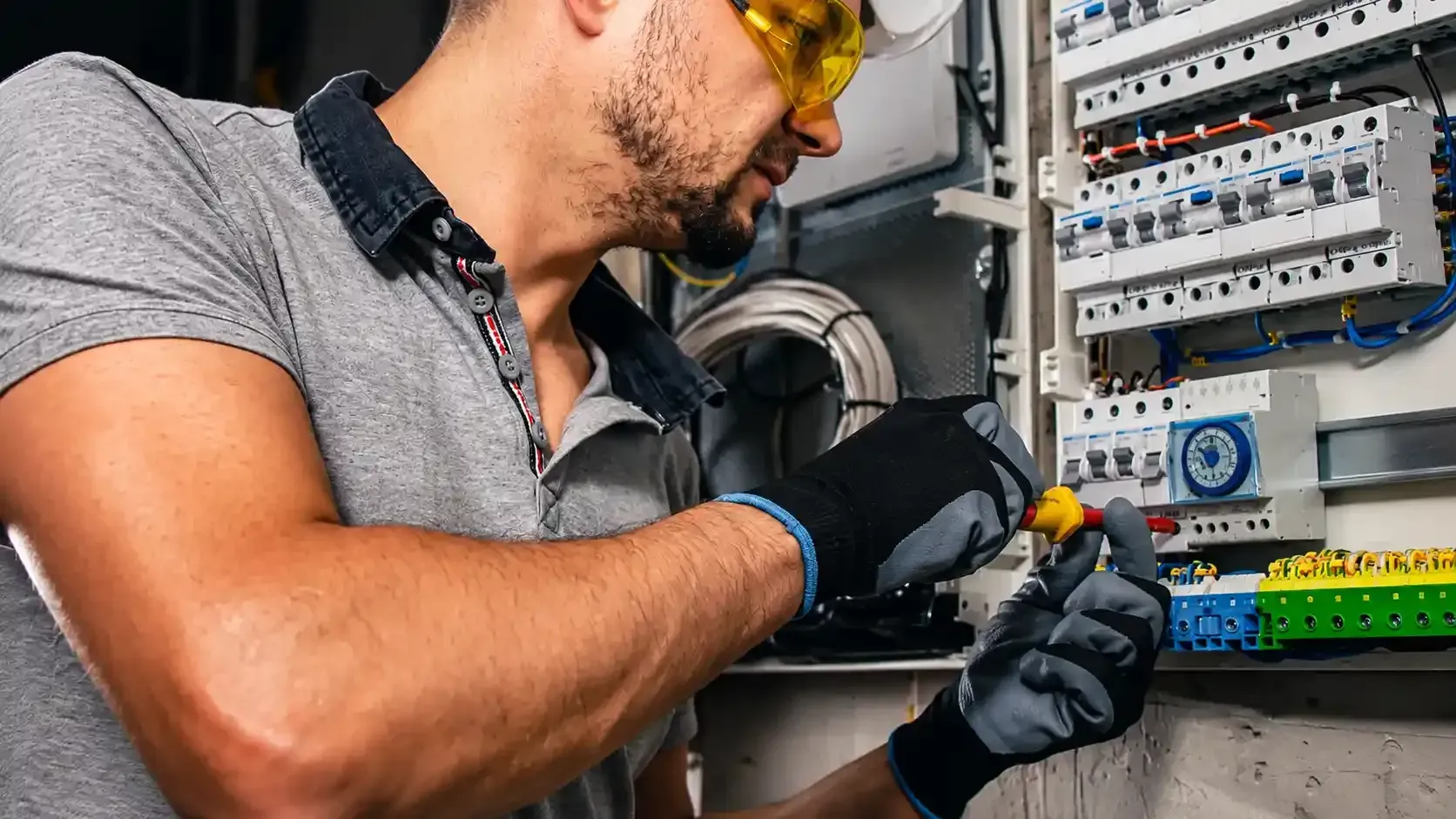
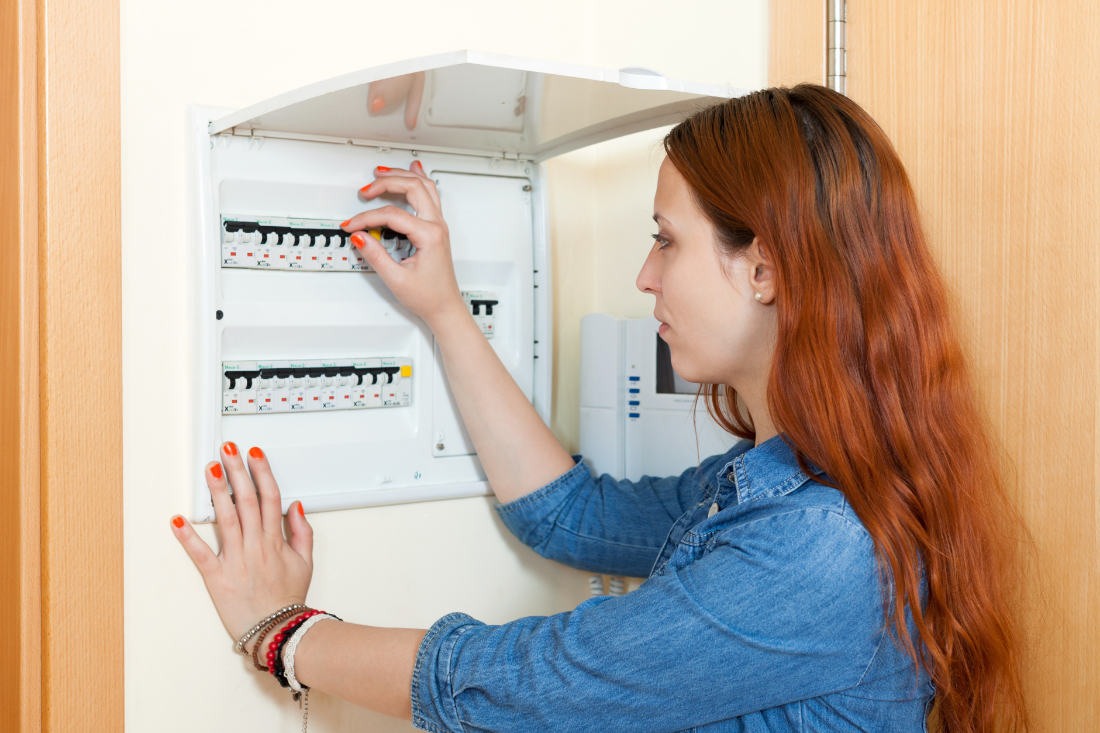
Before we install any EV charger in a home in Morgantown, Fairmont, Bridgeport, or Cheat Lake, we start with a full assessment of the existing electrical system. That includes checking the panel's amperage rating, counting available breaker slots, and running a load calculation to see how much capacity is already spoken for.
If the panel has room, we install the dedicated 240-volt circuit and get the charger mounted and operational. If the panel needs work first, whether that's a panel upgrade, a service upgrade, or simply freeing up capacity, we walk you through the options before anything gets started. Every installation is permitted and code-compliant, and our EV charger installation services cover the full process from the initial assessment to the day you pull in and plug in.
NS Electric: Serving Morgantown-Area Homes Since 2016
NS Electric is a veteran-owned electrical contractor founded by U.S. Army veteran Matthew Wright. With more than 16 years of electrical experience and a Master Electrician overseeing every project, our team has worked with homeowners across Morgantown, Bridgeport, Cheat Lake, Fairmont, and the surrounding communities of North Central West Virginia since 2016. We've helped hundreds of homeowners upgrade their electrical systems and install EV chargers that work reliably from day one. All labor is backed by a two-year warranty.
Ready to Charge at Home? Let's Start With Your Panel.
A quick assessment from our team tells you exactly where your electrical system stands and what it takes to get your EV charger installed safely. No guesswork, no surprises.
Request your free quote, and we'll take it from there.
Ready to work with NS Electric?
Let's connect! We’re here to help.
Send us a message and we’ll be in touch.
Or give us a call today at 111-222-3333
Agency Contact Form
More Marketing Tips, Tricks & Tools