How Often Should Commercial Buildings Get an Electrical Inspection?
Running a commercial building means juggling a long list of maintenance items, and electrical inspection is easy to push to "someday." Nothing's obviously wrong; the lights work, the HVAC runs, so it's tempting to leave it alone. The truth is that a commercial electrical inspection isn't really about whether something looks fine today. It's about catching wear and load issues in a system that works a lot harder than the one in your home, before they turn into downtime.
If you manage an office, retail space, or small commercial building in the Morgantown area, here's a practical answer to how often that inspection should actually happen.
Why Commercial Buildings Need More Attention Than Homes
A typical home runs a handful of major appliances and a manageable number of circuits. A commercial building runs HVAC systems, banks of lighting, computers and servers, kitchen or retail equipment, and often multiple tenants pulling from the same electrical infrastructure at once. That load adds up, and it adds up every single business day, not just during the occasional heavy-use weekend.
More load and more continuous use both mean more wear on panels, breakers, and connections. A residential system that goes years between issues might show wear in a commercial building on a much shorter timeline, simply because it's working harder and more often. That's why our commercial visits are scoped differently than a standard residential service call from the start.
How Often Is an Inspection Actually Recommended?
There's no single number that fits every building. Still, a reasonable rule of thumb holds up well in practice: a standard office, retail space, or light commercial building does fine with an annual professional inspection under normal conditions. That single yearly visit is usually enough to catch developing issues before they interrupt business.
That baseline shifts based on a few specific factors. Buildings older than 20 to 25 years, buildings that have added significant equipment since the panel was installed, and buildings running near their electrical capacity all benefit from checking in more often, sometimes every six months rather than once a year. If your building falls into more than one of those categories, it's worth treating the shorter interval as the safer default rather than the exception. When we scope a commercial inspection, this is the first conversation we have with a building owner, before ever setting a date.
Why Building Age and Load Change the Answer
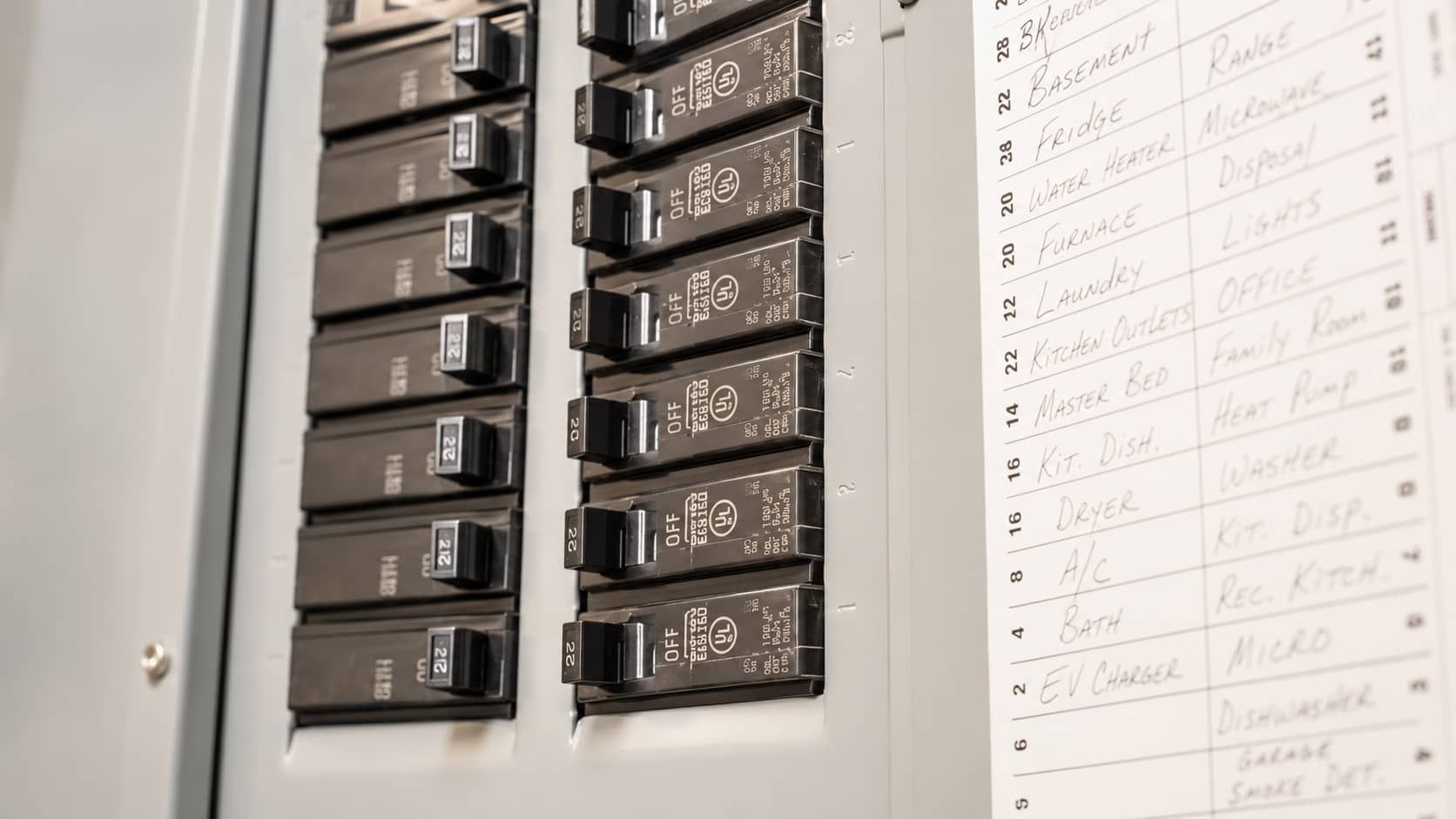
An electrical panel installed 25 years ago wasn't designed with today's equipment load in mind. Added HVAC units, upgraded lighting, more computers, and modern kitchen or retail equipment all draw more power than the original system was built to expect. That doesn't necessarily mean the system is failing, but it does mean the margin for error is smaller than it used to be. A panel evaluation is often the first thing worth checking when a building's equipment list has grown well past what it looked like when the electrical system was first installed.
Usage pattern matters as much as age. A building running equipment nearly around the clock puts more cumulative stress on its electrical system than one that's mostly idle after hours, even if both buildings are the same age.
A retail space that's lit and climate-controlled from early morning to late evening, seven days a week, is a different load story than an office that sits mostly empty on weekends. Our
commercial electrical services team factors in both age and actual usage to recommend an inspection interval, rather than applying the same schedule to every building on the block.
Why Electrical Malfunctions Still Cause Real Losses
It's easy to assume electrical fires are mostly a residential problem, but commercial buildings aren't exempt. According to the U.S. Fire Administration, nonresidential buildings saw an estimated 7,400 fires caused by electrical malfunction in 2023, resulting in $354.4 million in property loss. The encouraging part of that data is the trend: fire counts in nonresidential buildings have actually declined 7 percent over the past decade, a shift that regular inspection and maintenance programs deserve real credit for.
That's the case for treating inspection as routine maintenance rather than a reaction to a problem. A building on a consistent inspection schedule is one of the reasons that downward trend exists in the first place, and it's the standard we hold every commercial client to, whether the building is due this month or next year.
What a Commercial Electrical Inspection Actually Covers
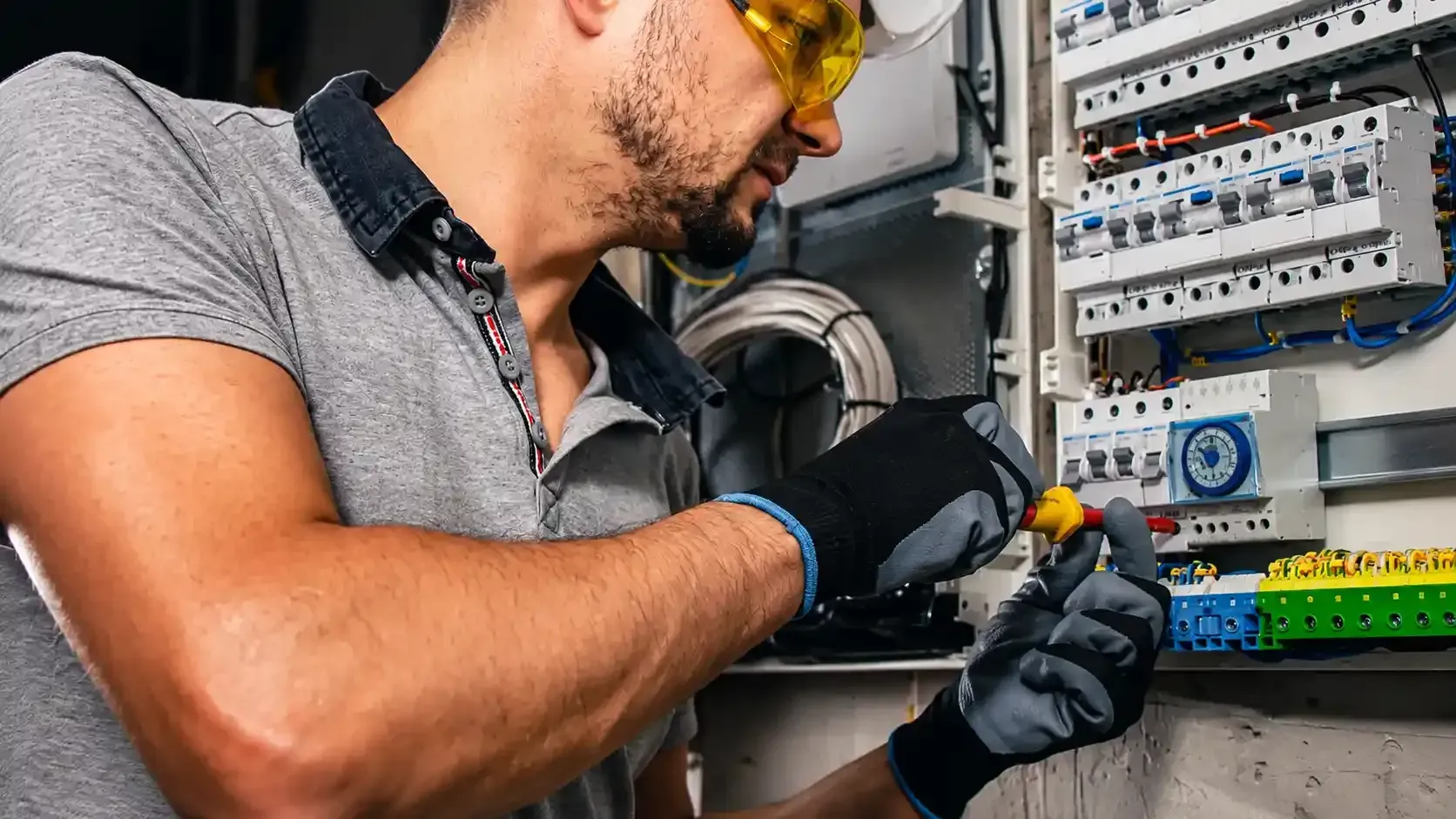
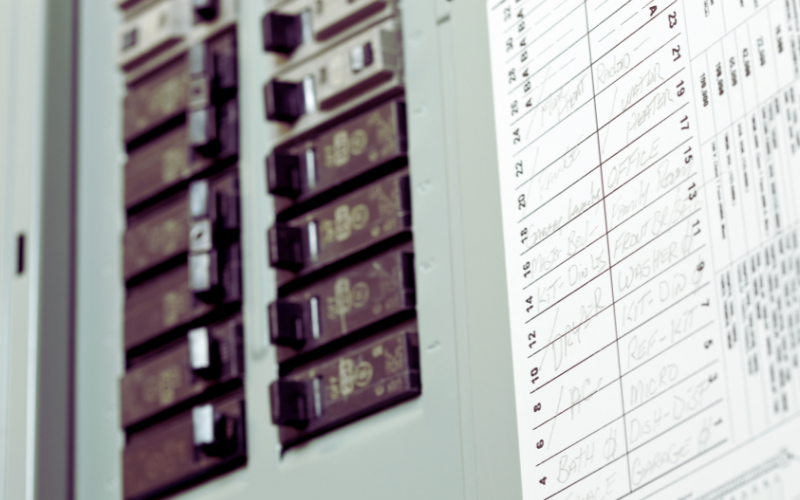
A proper commercial inspection looks at the panel and breaker capacity relative to current load, connection points and terminations for signs of heat or wear, wiring condition in areas that have seen recent changes or additions, and any circuits that regularly run close to their limit. It's a systematic look at the whole system, not a response to one specific complaint.
A Master Electrician leads every commercial inspection at NS Electric, so the findings reflect real experience with how commercial systems age and fail, not a generic checklist run by whoever's on shift. If something needs attention, you get a clear explanation of what it is and why, with straightforward next steps rather than a vague recommendation to "keep an eye on it."
Our
troubleshooting services team can typically quote repair work on the spot during the same visit, so a finding doesn't turn into a second scheduling cycle before anything gets fixed.
Why Morgantown Businesses Choose NS Electric
A commercial client wants an electrician who understands their business, not just their wiring. That's part of what a decade of local work builds. NS Electric has grown to serve more than 1,000 customers around Morgantown, Cheat Lake, and Bridgeport since Matthew Wright, a US Army veteran and Master Electrician, opened the company in 2016, and it's remained 100 percent family-owned the entire time.
On the commercial side, that history translates into electricians who understand how local businesses actually use their space, not just what the blueprints say.
Round-the-clock emergency service backs up the inspection side of the business too. If an inspection turns up something that needs immediate attention, the same team handling the diagnosis is available 24/7 to address it, rather than passing you to a separate emergency contractor.
Frequently Asked Questions
Is an annual inspection enough for a small office building?
For most standard office space with typical electrical loads, yes. Buildings with heavier equipment use, older wiring, or recent additions to the electrical load usually benefit from having our team check in every six months instead.
Does a new commercial building still need regular inspections?
Yes, though a newer building can usually start on our standard annual schedule. New construction reduces immediate risk, but panels and connections still experience normal wear from daily use.
What happens if an inspection finds a problem?
You'll get a clear explanation of what was found and why it matters, along with a straightforward recommendation. Our team can typically schedule the repair directly rather than requiring a separate visit from another contractor.
Ready to Get Your Building on a Real Inspection Schedule?
A commercial electrical inspection is one of the simplest ways to avoid unplanned downtime, and getting on a consistent schedule is easier than most building owners expect. Our team will assess your building's age, load, and usage, and recommend an interval that actually fits how your space runs.
Request your free quote and let's get your building scheduled.
Ready to work with NS Electric?
Let's connect! We’re here to help.
Send us a message and we’ll be in touch.
Or give us a call today at 111-222-3333
Agency Contact Form
More Marketing Tips, Tricks & Tools