Can a Generator Power My Whole House?
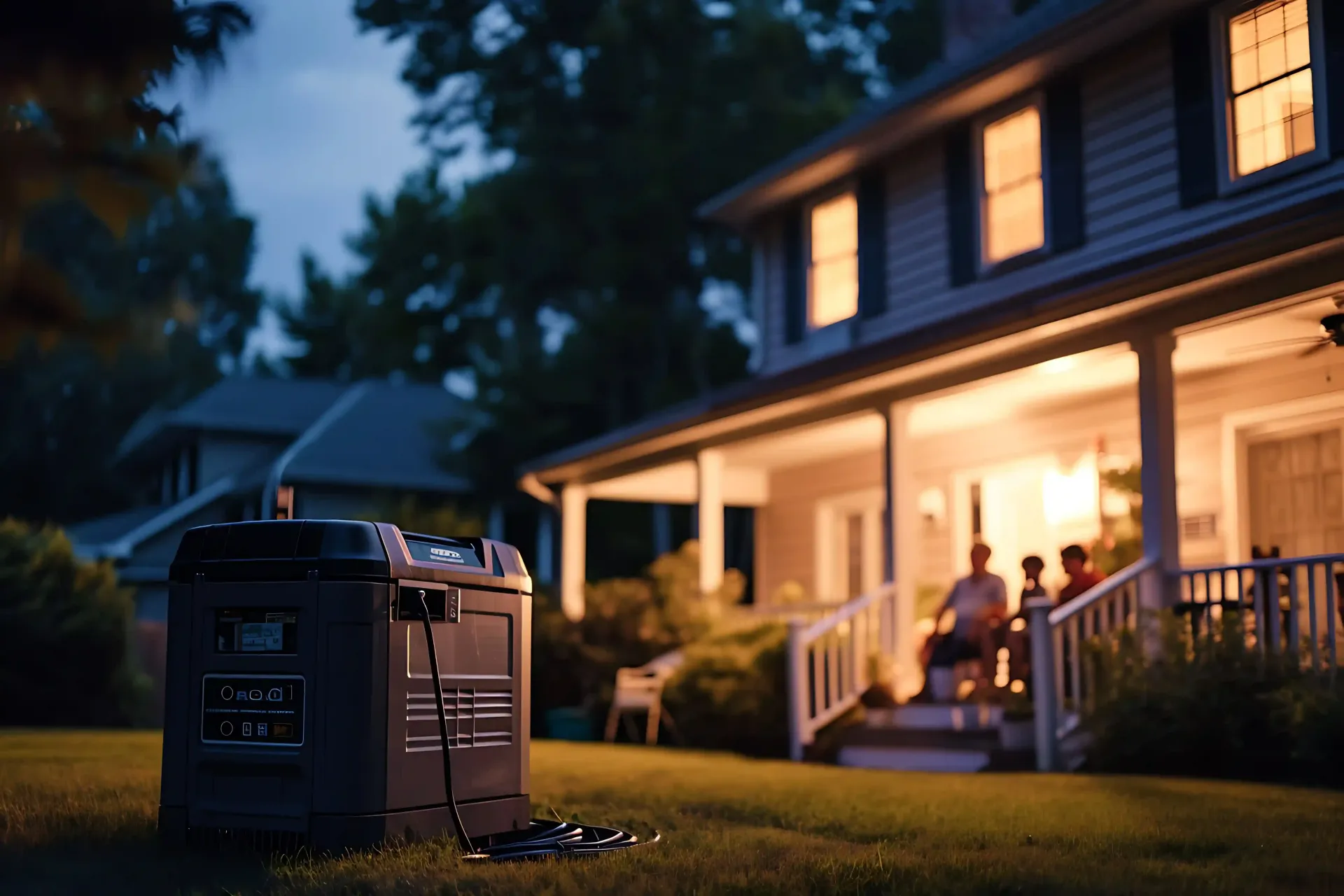
According to the U.S. Energy Information Administration, West Virginia residents averaged nearly 19 hours of interrupted power in 2021, one of the highest figures in the country that year. Ice storms, downed lines, and summer thunderstorms are a regular reality across North Central West Virginia, and that reality pushes many homeowners to ask a straightforward question: Can a generator actually run my whole house?
Yes, it can. But size, fuel type, and how the system gets wired into your home all determine how well it works.
What "Whole House" Coverage Actually Means
The phrase gets used loosely. A true whole-house generator is a permanently installed standby unit rated to power every circuit in the home at once. A partial setup keeps only the designated critical circuits running: refrigerator, a few outlets, maybe the well pump.
That distinction matters before any purchase decision gets made.
How Much Power Does Your Home Need?
Every outlet, appliance, and HVAC system draws wattage. A generator has to be rated to handle all of it at once.
Estimating Whole-Home Wattage Requirements
| Home Size | Recommended Generator Size |
|---|---|
| Under 1,500 sq. ft. | Anne |
| 1,500–3,000 sq. ft. | 16–20 kW |
| 3,000+ sq. ft. | 22–30+ kW |
Central air conditioning and electric water heaters tend to push that number up fast. A licensed electrician can run a load calculation to get the right figure for a specific home, and that step is worth doing before buying anything.
Types of Generators for Whole-Home Coverage
Standby Generators
Standby units are hardwired to the home's electrical panel and run on natural gas or propane. They start automatically within seconds of an outage through an automatic transfer switch. No trips outside in a storm, no pulling a cord — the power stays on. For homeowners who want full coverage with zero manual involvement, standby generators are the right choice.
Portable Generators
Portable units cost less upfront, but they come with trade-offs. Most top out between 7,500 and 12,000 watts, which typically won't cover an entire home. They also require outdoor placement, manual startup, and a transfer switch to wire into the panel safely. Using one without a transfer switch violates electrical code and creates real hazards.
Why Every Generator Needs a Transfer Switch
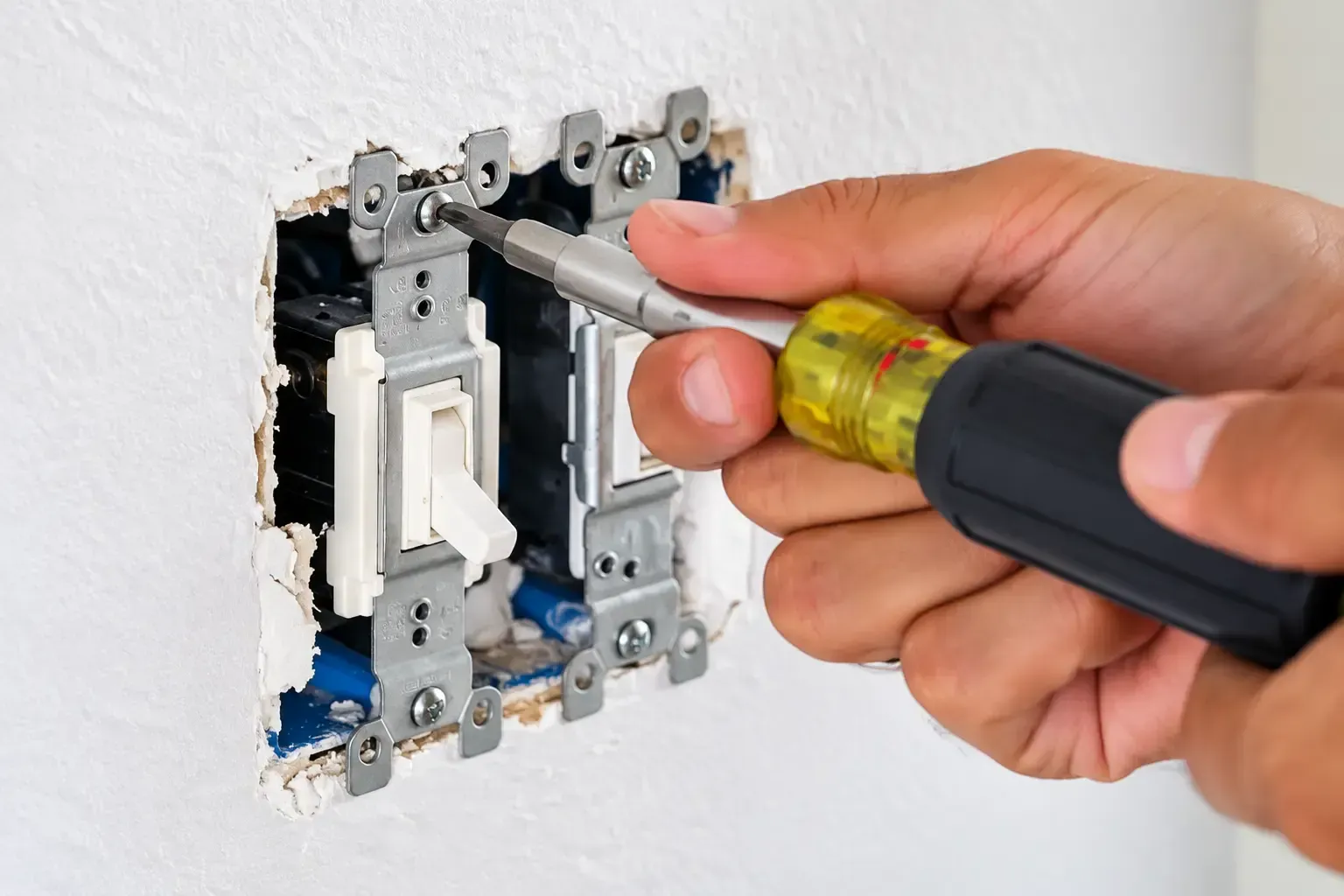
A transfer switch cuts the home off from the utility grid before the generator comes online. Without one, power can flow back into the grid and put utility workers at serious risk.
- Manual transfer switch: Costs less and requires the homeowner to flip it during an outage.
- Automatic transfer switch (ATS): Monitors the grid and activates on its own the moment power drops.
Standby generators always pair with an ATS. For portable setups, a manual transfer switch installed by a licensed electrician is the minimum acceptable option. Bypassing this step is a code violation in West Virginia and most other states.
NS Electric's residential electrical services include transfer switch installation and generator connections across the greater Morgantown area.
What a Professional Installation Involves
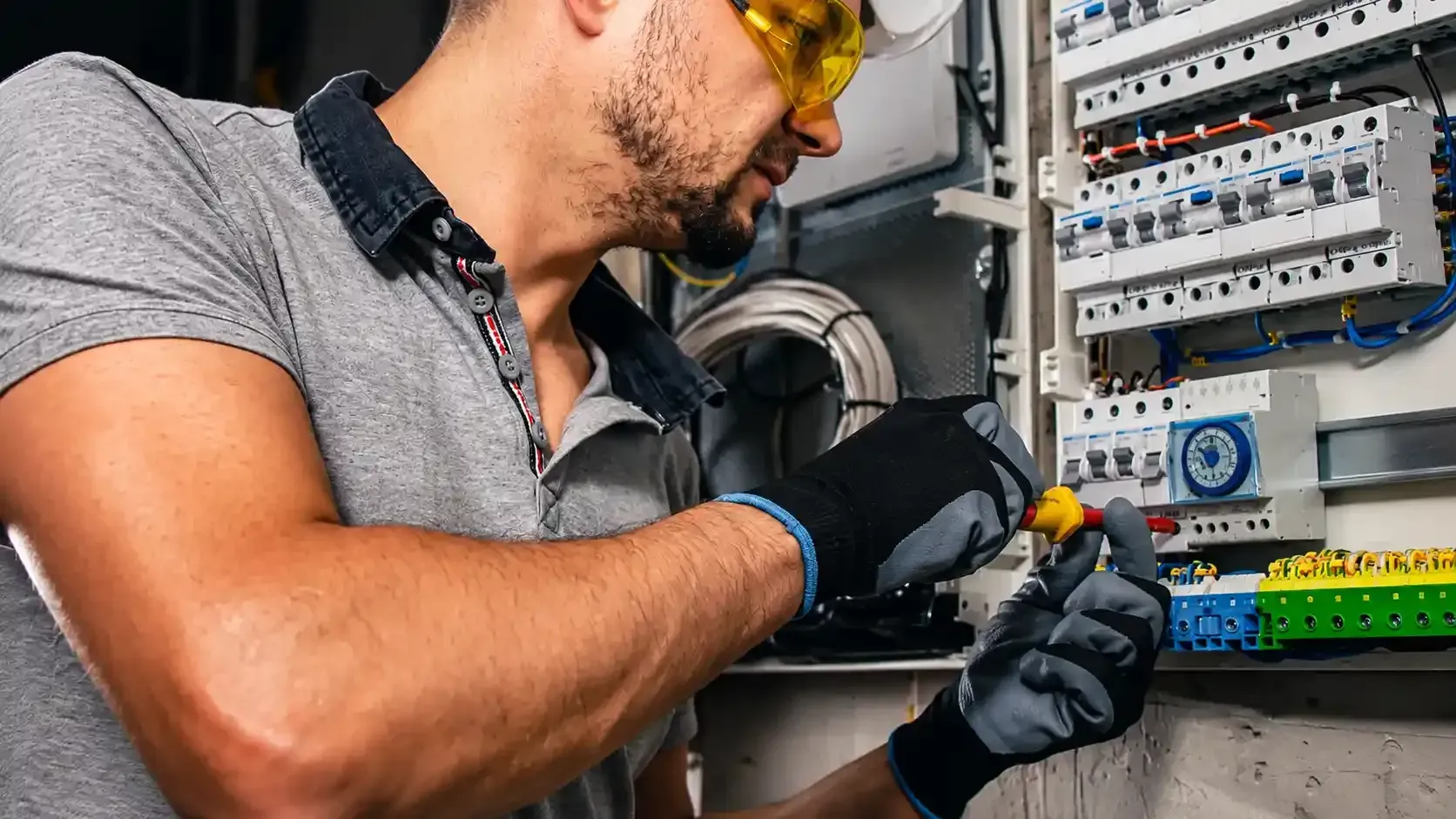
A licensed electrician handles generator installation from start to finish:
- Panel assessment and load calculation
- Generator sizing and fuel type recommendation
- Transfer switch installation and panel connection
- Gas line coordination when needed
- System testing and homeowner walkthrough
Most standby installations wrap up in one to two days, depending on the existing electrical setup.
Fuel Options: Gas vs. Propane
Natural gas ties directly into an existing gas line with no storage tanks and no refueling required. Propane requires an on-site tank but works reliably in areas without gas service.
Both fuel types hold up better than gasoline through multi-day outages. Supply stays consistent when the storm that knocked out the power is still sitting overhead.
Keep Your Home Powered Year-Round
Power outages in West Virginia tend to arrive with weather, and the weather here doesn't hold back. A properly sized and installed whole-house generator means the heat or air conditioning stays on, the refrigerator keeps running, and the household keeps functioning.
NS Electric has worked with homeowners across the Morgantown area since 2016. Our licensed electricians handle generator connections, transfer switch installation, and the full range of electrical services for homeowners needed to keep a home ready for whatever comes.
Contact our team to schedule a free estimate.
Ready to work with NS Electric?
Let's connect! We’re here to help.
Send us a message and we’ll be in touch.
Or give us a call today at 111-222-3333
Agency Contact Form
More Marketing Tips, Tricks & Tools